
Volunteer with Operation Sight
Thank you for your interest in volunteering with Operation Sight. You can help end treatable cataract blindness in the U.S. for those who cannot access or afford care. Operation Sight is fueled by a nationwide network of passionate volunteers who help those most in need. We are grateful for their commitment to improving the world’s vision by helping Operation Sight patients who might otherwise go without care.
A Practice’s Perspective
Hear from Operation Sight volunteers about their experience of being involved with the program.
Operation Sight Volunteer Process
Our goal is to make it simple for you to volunteer and change lives. Here’s an overview of how our process works.
- Register to Be a Volunteer: Complete the Volunteer Form to register as an Operation Sight volunteer. Our team will reach out with more information.
- Patient Applies for Care: We take responsibility for pre-qualifying patients, completing paperwork, and managing all communication throughout the application, approval, and matching processes to reduce the burden on our volunteers. For more detailed information on this process, please visit our Patient Frequently Asked Questions.
- Match: We match pre-qualified patients with a registered Operation Sight volunteer surgeon in their area. Volunteers can then choose to accept the patient’s case based on the information provided.
- Charitable Surgery: Volunteers work with the patient and complete the charitable surgery.
- Documentation: Once surgery is complete, documentation is returned to the Foundation.
Important Note for Administrators: If you do not have the legal authority to sign documentation on behalf of your doctors, please email sduval@ascrs.org to register your practice.
Patient Qualifications
Here are the qualifications patients need to meet to be eligible for Operation Sight:
- Must be at or below 250% of the Federal Poverty Level defined by the Federal Poverty Guidelines. Documentation of household income and dependents must be provided.
- Must be uninsured or underinsured when insurance does not cover cataract surgery. Patients who receive Medicare Part B are ineligible. The program does not pay or assist with copays.
- Must have a formal cataract diagnosis within the past 18 months, where cataract surgery has been deemed medically necessary. Bilateral vision correctable to 20/40 or below is not deemed as medically necessary, unless otherwise noted.
- Must be permanently residing in the United States. Applicants who are temporarily visiting do not qualify for the program.
Should your practice receive a direct request for charitable cataract surgery, you may refer the patient to Operation Sight for review and pre-qualification. Please direct them to our Patient Inquiry Form.
Volunteer of the Year Spotlight
“I’m big on not turning away anybody in my practice. I don’t think there’s any conflict of interest in charging high prices and having a premium practice model with also offering very good quality community/charity care. We run a premium practice and do refractive lens exchange and premium cataract surgery and ICLs, but I also don’t ever want to turn a patient away if they need my help.”
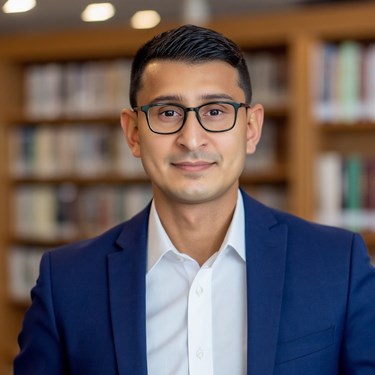
The 2025 Operation Sight Volunteer of the Year is Omar Shakir, MD. Dr. Shakir, who practices at Coastal Eye in Greenwich, Connecticut, decided early on in his career that he wanted to be involved with humanitarian/volunteer eye surgery.
He performs both cataract and vitreoretinal surgery. In addition to participating with Operation Sight, Dr. Shakir is known for performing charitable surgery in his community.
Resources for You
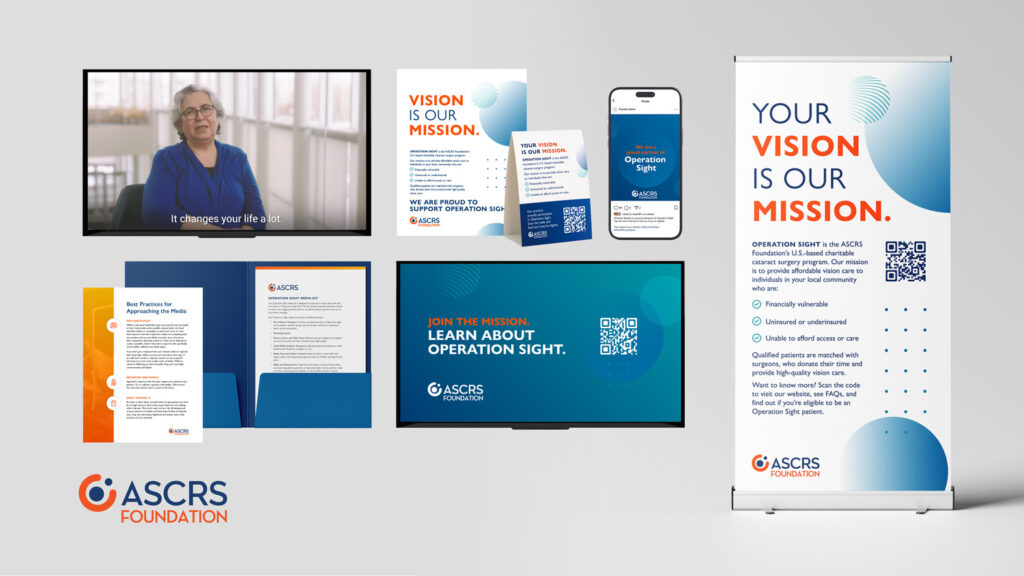
Make sure your community knows about your involvement with Operation Sight! Download our free Media Kit, which includes printable signs, social media graphics, lobby videos, and more to empower your practice to spread the word about Operation Sight’s mission.
Share Your Stories With Us
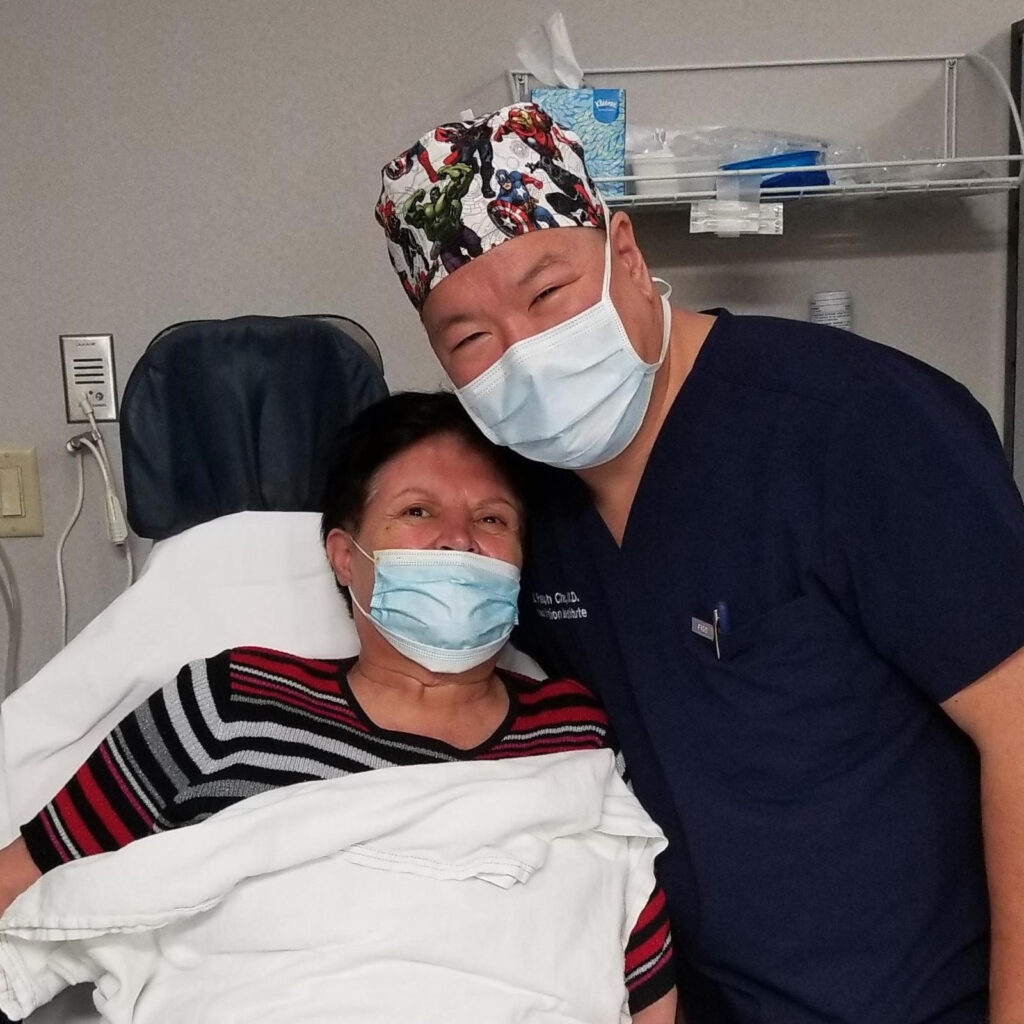
We’re interested in your stories! Share testimonies of grateful patients or your volunteer experience with the Foundation team! Email us at sduval@ascrs.org or tag us @ascrsfoundation in your social media posts! Your stories may be featured in upcoming Foundation highlights.
#OperationSight
Tag us on social media:
Frequently Asked Questions
Operation Sight screens pre-qualifying applicants to ensure they meet program patient requirements. This reduces the administrative burden on our volunteers and brings the eligible patients directly to the participating volunteer practice. It is always at the volunteer’s discretion on whether they can or cannot accept an Operation Sight patient at the time of a proposed match.
Operation Sight is an opportunity for practices to give back within their local communities and to serve the most financially vulnerable patient populations.
If you would like the ASCRS Foundation to source the patients, there may be varying degrees of preop testing. Operation Sight does require a formal cataract diagnosis as part of the application process. However, patients may have varying details in the eye exam they provide. Some may have had a full documented exam, while others may have minimal information. We do our best to provide our volunteer surgeons with as much information as possible. Typically, practices provide an evaluation appointment in advance to ensure the patient is a good candidate for surgery.
It is generally performed at your practice by your staff. Once the volunteer practice/surgeon has accepted the Operation Sight patient, the practice staff become responsible for all medical scheduling with the patient.
Yes, the patient is responsible for getting to and from the office/surgery center for both pre- and postop exams and the surgery.
The surgery typically takes place at the ambulatory surgery center used by the volunteer surgeon.
The center provides all supplies associated with cataract surgery, as well as the staff necessary to support the surgery and cataract care.
Among the advantages to delivering cataract surgery is that the surgeon and the practice’s responsibility ends following the 90-day period. While the Operation Sight team will explain this to the patient, it is important that the surgeon or staff reinforce the message. Every surgeon can determine his/her own plan for postop care and visits.
Please note that if glasses or contact lenses are needed, the patient would be financially responsible.
Following the 90-day postop period, additional care is entirely the patient’s responsibility.
The surgery center provides all supplies associated with cataract surgery, as well as the staff necessary to support the surgery.
Please note that patients have been screened to be of financial need and should not be billed for the cataract surgery or its associated appointments/care. The practice waives these costs. The patient only becomes responsible for costs if additional care is required post the 90-day global cataract period.
If the surgeon would like to do the second eye through the Operation Sight program, the same process applies as with the first. If not, the volunteer must notify Operation Sight staff, so that we can work to match that patient with a different volunteer surgeon.
At this point in time, the Operation Sight program is only for cataract surgery. If the surgeon determines that the patient is not a good candidate due to another condition, unfortunately, that would fall outside the capability of the program to provide care. If this occurs, the volunteer should notify Operation Sight staff.
Care through the Operation Sight program is limited to the 90-day global cataract surgery period. The surgeon’s responsibility and liability end with that period. This is explained to the patient, but volunteers should confirm this with the patient during their initial visit.
Please connect the company with Sarah Duval, Operation Sight Program Manager, at sduval@ascrs.org.
Please contact Sarah Duval, Operation Sight Program Manager, at sduval@ascrs.org.